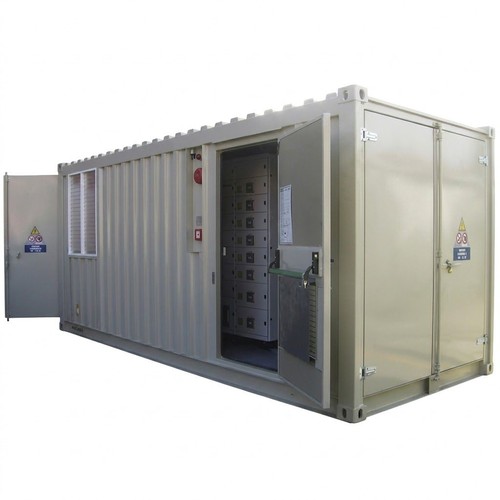
Apex provides one coordinated route from an initial electrical requirement to a documented and deliverable equipment package. Our role is to connect the customer, the selected partner production resource and the logistics plan through one commercial interface. The process below applies to power transformers, oil-immersed distribution transformers, dry-type transformers, pad-mounted and pole-mounted transformers, prefabricated substations, solar EPC equipment packages, special transformers and switchgear.
1 · Define the electrical requirement
We begin with the system duty rather than a model name alone. The review covers rated capacity, primary and secondary voltage, frequency, phase, impedance, cooling, installation environment, applicable IEC or ANSI/IEEE standard, quantity, destination and target delivery. For substations and solar projects, a single-line diagram, protection concept and equipment interfaces help establish a clearer technical baseline.
2 · Match the product and production route
Apex compares the requirement with the relevant product family and a qualified partner production resource. The selection considers voltage class, construction, testing capability, documentation, certification needs, destination-market requirements and production schedule. Apex is the supplier and project coordination partner; manufacturing is performed by the selected qualified partner facility.
3 · Confirm drawings, data and scope
Before production release, the parties align the technical data sheet, general arrangement, terminal interfaces, accessories, protection, nameplate information, painting or enclosure requirements and document list. Clarifications are recorded so that the approved drawings, commercial scope and manufacturing information describe the same equipment. Any project-specific inspection or third-party witnessing requirement should also be confirmed at this stage.
4 · Coordinate production, inspection and records
During production, Apex follows the agreed milestones and keeps technical and commercial communication moving between the customer and the production resource. The order documentation can include material or process checkpoints, routine test reports, agreed type or special tests, inspection records, photographs, packing information and operating manuals. Final requirements depend on the product and the approved inspection plan.
5 · Prepare packing and global delivery
Equipment is prepared for the agreed transport route with suitable surface, accessory and interface protection. Apex coordinates the commercial documents, packing information and shipment milestones according to the selected Incoterms and destination requirements. Where the scope includes a solar EPC equipment package, Apex coordinates engineering and procurement delivery while site construction is performed by the appointed project partner.
Information that helps us respond faster
- Product family and intended application.
- Capacity, primary voltage, secondary voltage, frequency and phase.
- Applicable IEC, ANSI/IEEE or local utility standard.
- Installation environment, ambient temperature and altitude.
- Quantity, destination, target delivery and required trade terms.
- Single-line diagram, specification or existing drawings when available.
When some information is not yet available, send the known project conditions first. The Apex team can identify the missing technical inputs needed for a comparable quotation.