
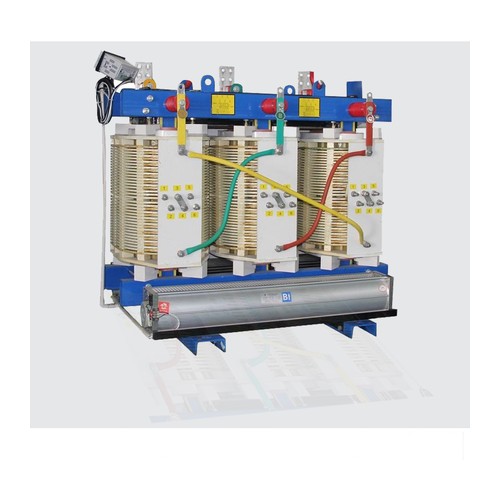
“Provide test certificates” is not an inspection plan. The contract should identify which tests apply, which are witnessed, what constitutes acceptance and which signed records form the final equipment dossier.
Three test categories, three different purposes
| Category | Purpose | Procurement treatment |
|---|---|---|
| Routine | Checks on each completed unit: ratio, winding resistance, losses and applicable dielectric tests. | Included for every unit; witness or document-review points are defined. |
| Type | Demonstrates a design characteristic, such as temperature rise or impulse performance. | Request a valid reference report or specify a new test. |
| Special | Addresses project needs such as sound, zero-sequence impedance or harmonics. | State method, acceptance criteria and price explicitly. |
Witness points need notice and acceptance rules
Define notice period, attendees, remote witnessing and the action if a witness does not attend. Approve the test procedure and calibrated instrument list before the test date—not while the test bay is waiting.
Read the results as a connected set
Nameplate data, guaranteed values, final drawings and reports must describe the same transformer. Review corrected losses, impedance tolerance and tap-position ratios. An individually plausible report can still reveal a document-control problem when it conflicts with another record.
Assemble the dossier before shipment
Site teams need final documents early enough to prepare foundations, protection settings, lifting plans and commissioning procedures.